Anabolic Health: Research Peptides, Anabolic Compounds & Performance Knowledge
Anabolic Health is an online resource for research peptides, anabolic compounds, and evidence-based performance education. Explore information about compounds such as BPC-157, TB-500, MOTS-c, and 5-Amino-1MQ, alongside practical guides to peptide storage, laboratory testing, and responsible research practices.
Our goal is to make complex scientific information easier to understand. Whether you are exploring peptide research, comparing compound characteristics, or learning about laboratory quality standards, Anabolic Health provides clear product information and educational resources to support informed decisions.
Explore Research Peptides and Anabolic Compounds
Research peptides are short chains of amino acids studied for their potential roles in biological processes. Different peptides have different molecular structures, research applications, and levels of scientific evidence.
At Anabolic Health, we organize compound information into accessible categories so visitors can explore the characteristics, research background, and available documentation for individual products.
BPC-157 and TB-500 Research
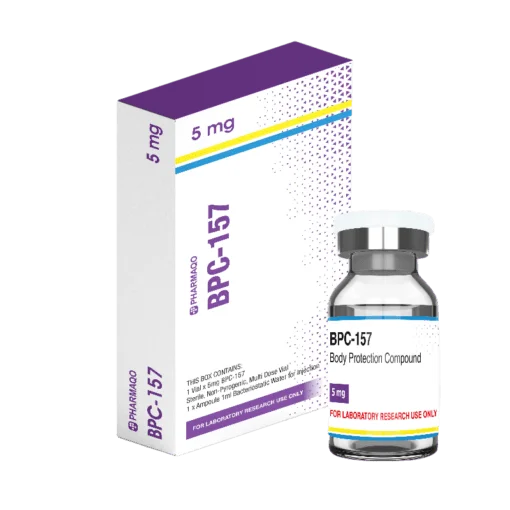
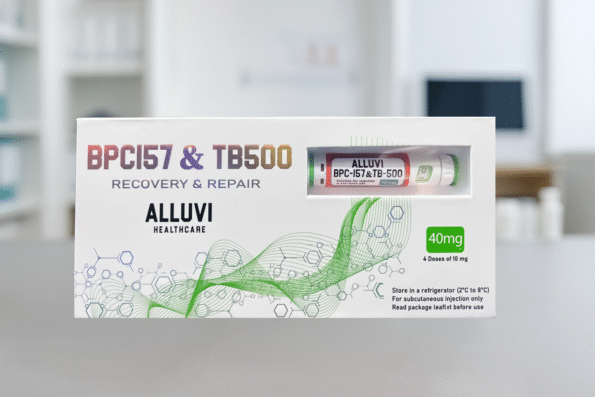
BPC-157 and TB-500 are experimental peptides investigated in preclinical research involving tissue responses and biological repair mechanisms.
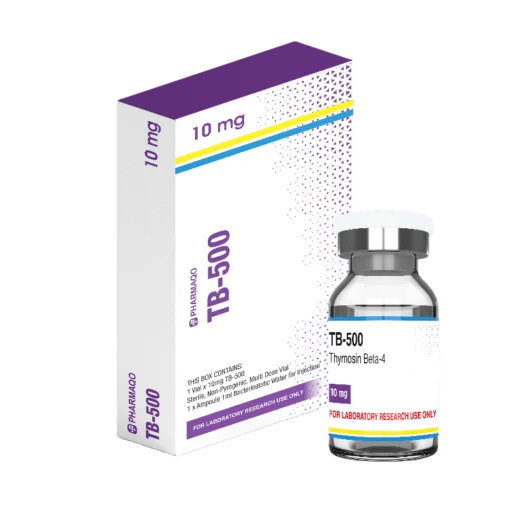
BPC-157 has been studied primarily in laboratory and animal models. TB-500 is associated with research involving thymosin beta-4-related biological activity.
Neither compound should be presented as an established treatment for injuries or medical conditions. Their clinical safety and effectiveness for human use have not been established.
MOTS-c and Metabolic Research
MOTS-c is a mitochondria-derived peptide studied for its involvement in cellular metabolism and metabolic signaling.
Researchers have investigated its relationship with glucose regulation, energy metabolism, and cellular responses to metabolic stress.
Much of this research remains preclinical. Findings from laboratory and animal studies do not establish that MOTS-c safely improves human metabolism or physical performance.
5-Amino-1MQ and Cellular Metabolism
5-Amino-1MQ is a small-molecule compound investigated for its interaction with nicotinamide N-methyltransferase (NNMT), an enzyme involved in cellular metabolic pathways.
Experimental research has explored its potential influence on metabolic regulation and related biological processes.
Unlike conventional peptides, 5-Amino-1MQ is a small-molecule NNMT inhibitor. Its clinical safety, effectiveness, and appropriate medical applications have not been established.
Understanding Laboratory Testing and Product Quality
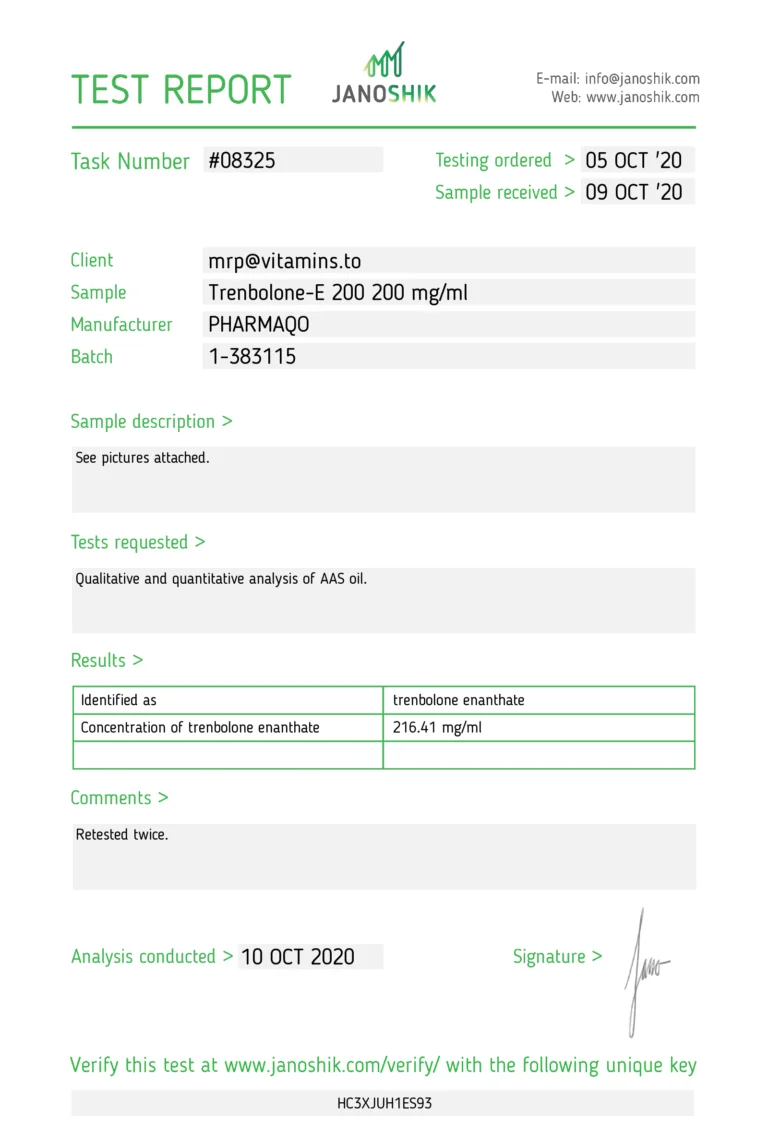
Product quality is an important consideration when evaluating research compounds. Clear identification, accurate labeling, appropriate handling, and reliable analytical documentation help researchers understand the materials they are working with.
At Anabolic Health, we encourage careful review of available product specifications and batch-specific testing documentation.
High-Performance Liquid Chromatography (HPLC)
High-performance liquid chromatography is an analytical technique used to separate and measure components within a sample.
HPLC testing can provide information about the composition and chemical purity of research materials.
However, a high purity percentage alone does not establish that a compound is sterile, safe for human use, or suitable for medical treatment.
Mass Spectrometry and Compound Identification
Mass spectrometry is used to analyze molecules based on their mass-to-charge ratios. It can help laboratories investigate molecular identity and characterize chemical compounds.
When used alongside appropriate analytical methods, mass spectrometry can provide valuable information about the identity and composition of research materials.
Testing documentation should clearly identify the compound, analytical method, relevant results, and batch tested.
Peptide Storage, Stability, and Laboratory Handling
Proper storage and handling are important for maintaining the integrity of research materials.
Peptides may respond differently to temperature, moisture, light, and environmental conditions depending on their chemical structure and formulation.
Anabolic Health provides educational information about peptide stability, storage considerations, laboratory handling, and the importance of following documented product instructions.
Research materials should be stored according to their specific stability requirements rather than assuming that every peptide requires identical conditions.
Your Resource for Peptide Research and Scientific Education
Understanding research compounds requires more than knowing their names or reading claims about their potential effects.
Our educational content explores molecular characteristics, published research, laboratory testing methods, compound stability, and the differences between experimental findings and established clinical evidence.
We aim to present scientific information in clear language while recognizing the limitations of current research.
Whether you are learning about peptide chemistry, exploring metabolic research, or reviewing laboratory quality standards, Anabolic Health helps you find relevant information in one place.
What are research peptides?
Research peptides are short chains of amino acids investigated for their biological properties and potential scientific applications. Their functions, research status, and safety profiles vary depending on the individual compound.
Are BPC-157 and TB-500 approved for human use?
BPC-157 and TB-500 are experimental compounds. They are not FDA-approved medications, and their safety and effectiveness for treating human medical conditions have not been established.
What is the difference between HPLC and mass spectrometry?
HPLC separates components within a sample and can help assess chemical purity. Mass spectrometry analyzes ions to provide information about molecular identity and composition. Laboratories may use these techniques together to characterize research materials.
Does a high purity percentage guarantee product safety?
No. Chemical purity does not establish sterility, the absence of all harmful contaminants, clinical effectiveness, or suitability for human use. These characteristics require separate evaluation.
Where can I learn more about peptide storage and research?
Anabolic Health provides educational information about peptide characteristics, storage considerations, laboratory testing, and scientific research. Individual compounds should be evaluated using reliable documentation and appropriate laboratory procedures.