Research & Clinical Grade
High Quality, Lab Tested, Research Peptides
Explore our comprehensive catalog of HPLC-certified peptides. Lyophilized for optimal stability and sterile research applications.
Browse Strate Labs Browse SKO Compounds

Research & Clinical Grade
Explore our comprehensive catalog of HPLC-certified peptides. Lyophilized for optimal stability and sterile research applications.
Browse Strate Labs Browse SKO Compounds
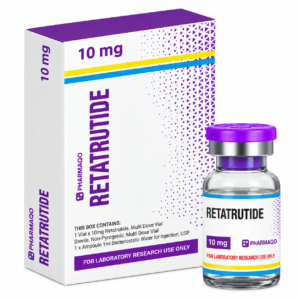
Human Growth Hormone
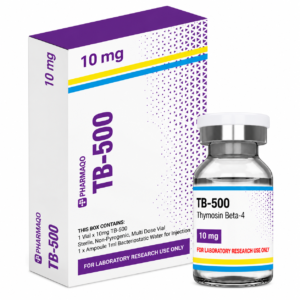
INJECTIFY PEPTIDES
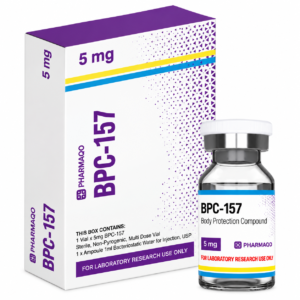
INJECTIFY PEPTIDES
ONYX Research Peptides
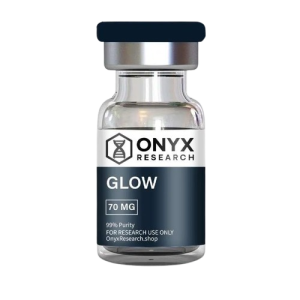
ONYX Research Peptides
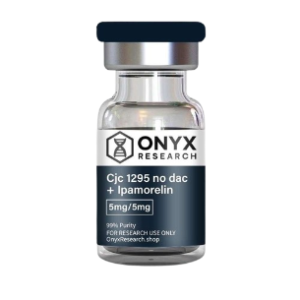
ONYX Research Peptides
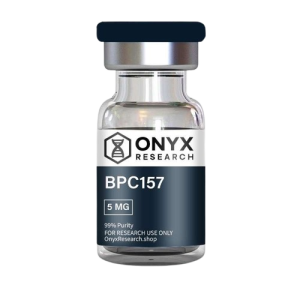
ONYX Research Peptides
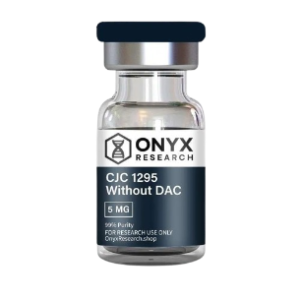
ONYX Research Peptides
Synthesized to strict 99%+ pharmaceutical purity standards with full sequence fidelity.
Freeze-dried under sterile vacuum conditions to guarantee maximum room-temperature stability.
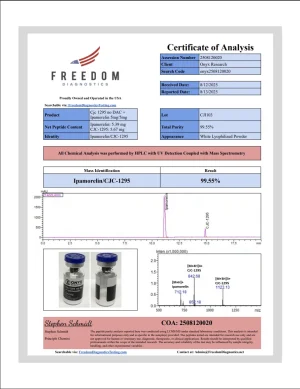
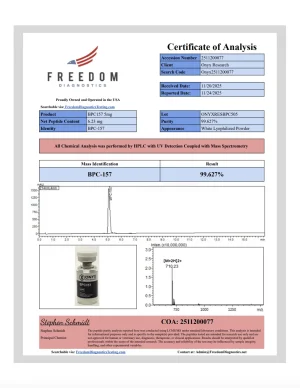
Every batch is verified via High-Performance Liquid Chromatography and Mass Spectrometry.
Proper peptide storage helps protect the chemical integrity of research materials. Storage temperature, moisture exposure, and handling conditions can affect peptide stability, while reconstitution requirements vary according to the compound and its formulation.
Explore the essential storage and laboratory handling considerations for lyophilized and reconstituted peptides below.
Lyophilized peptides are freeze-dried materials that generally require protection from moisture, heat, and direct sunlight. Store them in tightly sealed containers according to the manufacturer’s recommended conditions.
Some peptides require refrigeration at 2°C to 8°C, while others may need frozen storage at -20°C or below for long-term preservation.
The appropriate temperature and shelf life depend on the peptide’s chemical structure, formulation, packaging, and stability data. Always follow the product-specific storage instructions rather than assuming that every lyophilized peptide remains stable for the same period.
Peptide reconstitution involves dissolving a lyophilized peptide in a compatible liquid to prepare a solution for an appropriate laboratory application.
The correct solvent, concentration, and handling procedure depend on the compound’s chemical properties and intended research use. Bacteriostatic water is not suitable for every peptide or laboratory application.
Follow the manufacturer’s documented reconstitution protocol and use appropriate laboratory procedures to minimize contamination and degradation. Avoid unnecessary agitation, repeated temperature changes, and prolonged exposure to unsuitable environmental conditions.
Reconstitution does not establish that a research peptide is sterile, safe for injection, or approved for human use.
The stability of a reconstituted peptide depends on its molecular structure, solvent, concentration, storage temperature, and exposure to light or contamination.
Some peptide solutions require refrigerated storage at 2°C to 8°C, while others may need different conditions to maintain their chemical integrity.
There is no universal 30-day or 60-day stability period for reconstituted peptides. The appropriate storage duration should be determined using compound-specific stability data and the manufacturer’s documented recommendations.
Refrigeration may help preserve certain peptide solutions, but it does not guarantee sterility or prevent every form of chemical degradation.